Ormana : A Living Highland Heritage in the Taurus Mountains
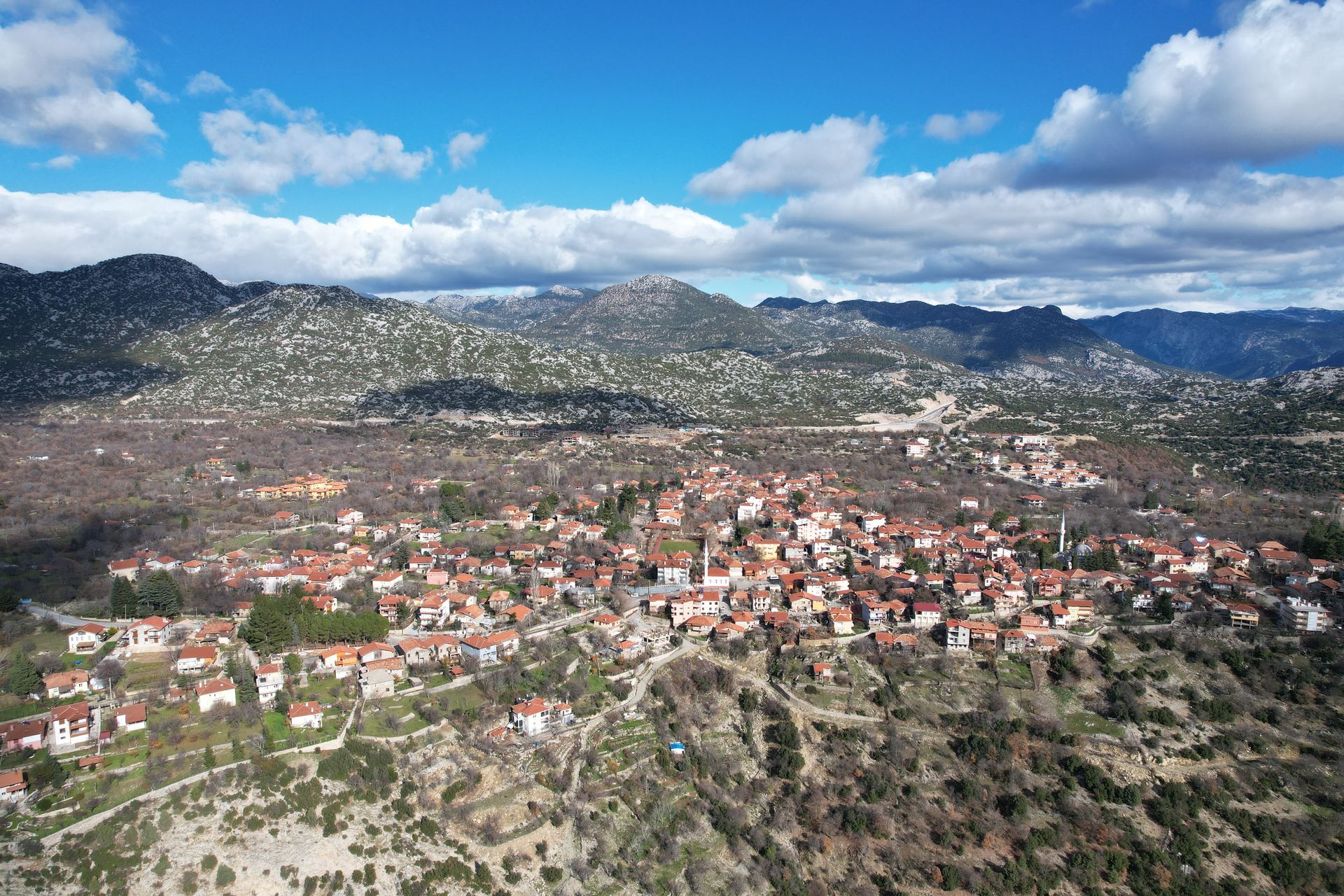
Ormana, the charming mountain village nestled in the Taurus Mountains of Antalya, has achieved a major international milestone by being recognized as one of the Best Tourism Villages 2024 by the United Nations Tourism (UN Tourism). This prestigious distinction places Ormana among a select group of only 55 rural communities worldwide that exemplify sustainable tourism, cultural preservation, and community empowerment.
Launched in 2021, UN Tourism’s Best Tourism Villages initiative celebrates rural destinations that leverage tourism as a tool for sustainable development while safeguarding local traditions, natural landscapes, and community well-being. Villages are evaluated across cultural, environmental, economic, and social sustainability criteria, making this recognition a symbol of global excellence in rural tourism.
Hidden deep within the Taurus Mountains, Ormana offers one of the most authentic cultural landscapes in the Antalya region. Far from the Mediterranean coast, this mountain village reveals a different rhythm of life — shaped by altitude, forests, ancient routes, and traditions that continue to evolve rather than disappear.
Known in antiquity as Erymna, the area has been inhabited since the Hellenistic period and later formed part of the Roman-era Pisidian highlands. Today, Ormana stands not as a ruin, but as a living continuation of its geography and history.
From Erymna to Ormana: An Ancient Name in a Living Landscape
In antiquity, this mountainous region was known as Erymna (Ἐρύμνα) — a settlement associated with the rugged interior of Pisidia. Archaeological traces such as tower remains, architectural stones, and sarcophagi found between Ormana and nearby Ürünlü suggest a fortified highland presence rather than a large urban center.
Ancient geographer Strabon describes this part of Anatolia as a land of steep terrain, dense forests, and resilient communities living beyond the coastal plains. While Strabo does not provide a detailed city narrative for Erymna, his depiction of the Taurus highlands closely matches the geography and way of life that still define the Ormana region today.
Over time, the name evolved — from Erymna in antiquity to Ormana in the Seljuk and later Ottoman periods — reflecting linguistic continuity shaped by the land itself.
Button Houses (Düğmeli Evler): Architecture Born from the Mountains
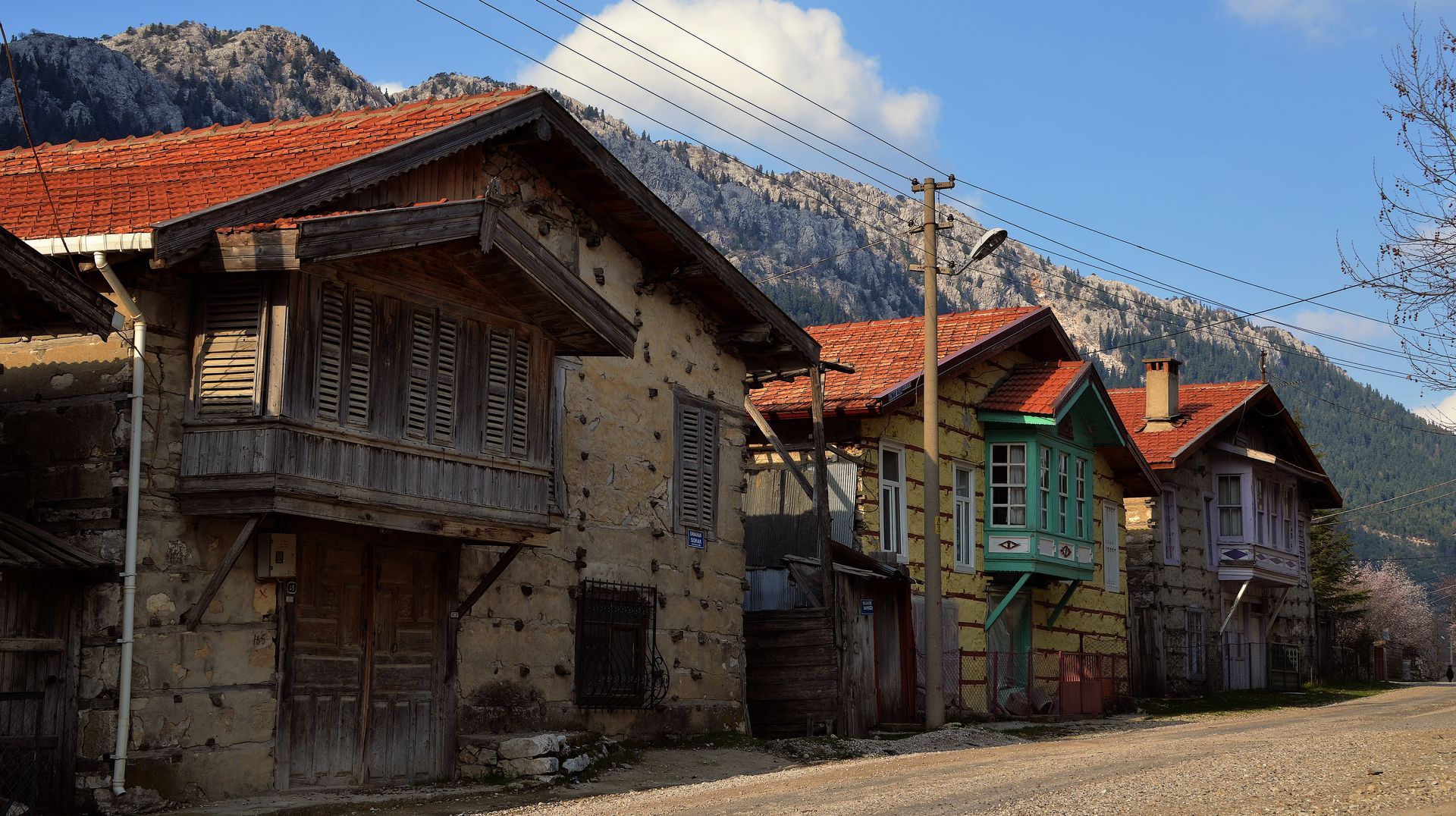
Ormana is best known for its remarkable button houses, a traditional architectural style unique to this part of Anatolia. Built without mortar, these two-story houses use locally sourced stone and cedar wood, interlocked with protruding wooden beams known as “buttons.”
This construction technique:
- Increases wall stability and earthquake resistance
- Reduces structural load
- Adapts perfectly to mountain climate conditions
Historically, the ground floor was used as a stable, cellar, or hayloft, while the upper floor served as living space. Decorative woodwork and detailed craftsmanship reflect generations of local mastery. Today, over 300 button houses remain, many under protection as cultural heritage, with a growing number restored by local artisans — keeping both skills and employment within the community.
Eynif Plain: Wild Horses and Open Landscapes
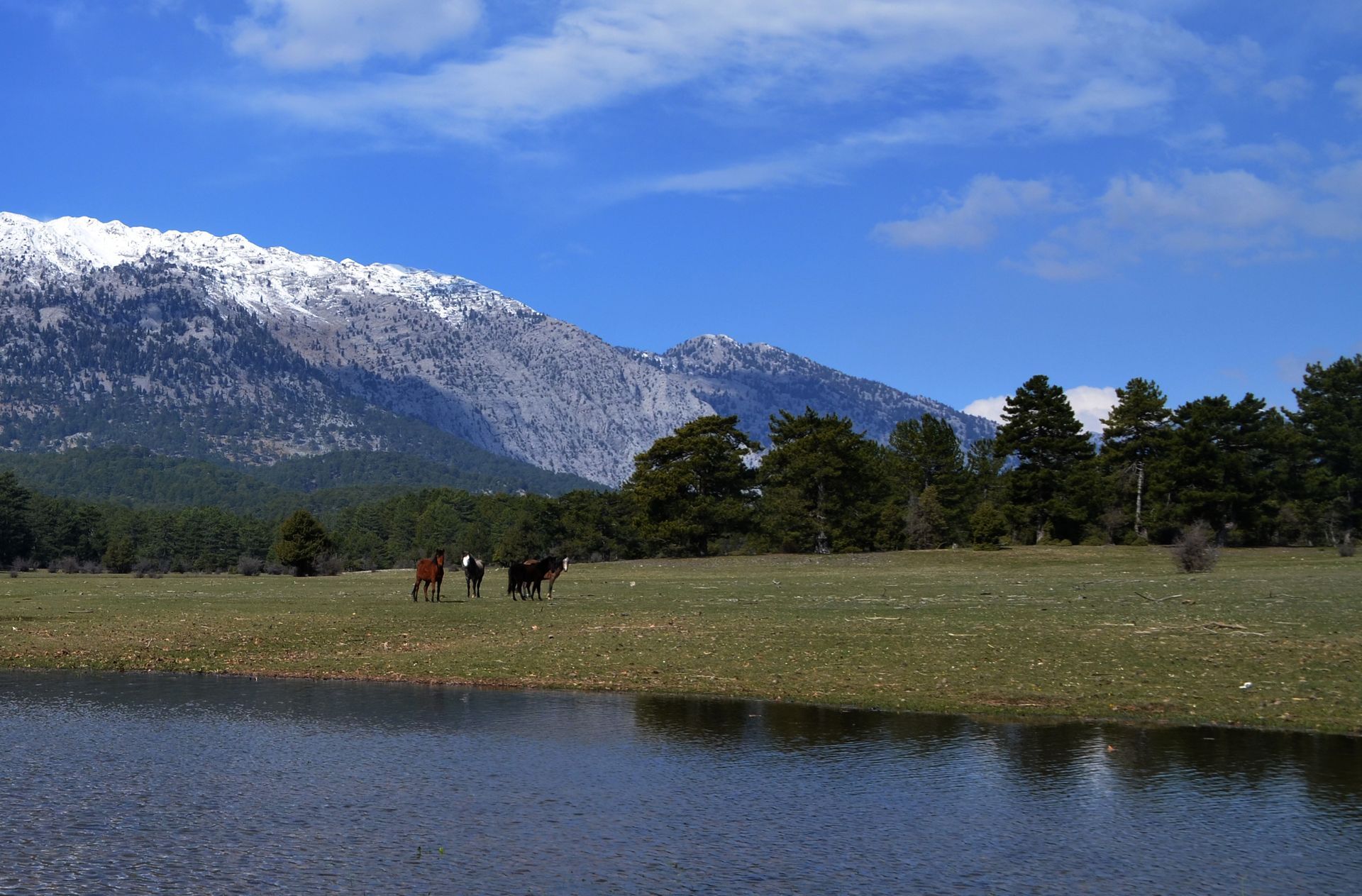
Stretching along the Taurus foothills, Eynif Plain offers a dramatic contrast to Ormana’s compact village streets. Vineyards, open grasslands, and forests create a vast plateau landscape where wild horses — known as yılkı horses — roam freely.
According to regional accounts, young men from Ormana once joined the Ottoman Sipahi cavalry in exchange for land rights, leaving their villages to fight in distant campaigns. These cavalry units relied on rahvan horses — a distinctive type of warhorse bred for endurance and battlefield movement.
When military campaigns ended, many soldiers returned home with their horses. However, accustomed to warfare rather than farming, these animals proved difficult to domesticate for agricultural life. Eventually, they were released onto the open lands of Eynif Plain, where they adapted to the harsh mountain environment over generations. Today’s wild herds are believed to descend from these horses, carrying with them a living memory of the region’s military past and its long-standing relationship between people, land, and animals.
Altınbeşik Cave: The Underground World of the Taurus Mountains
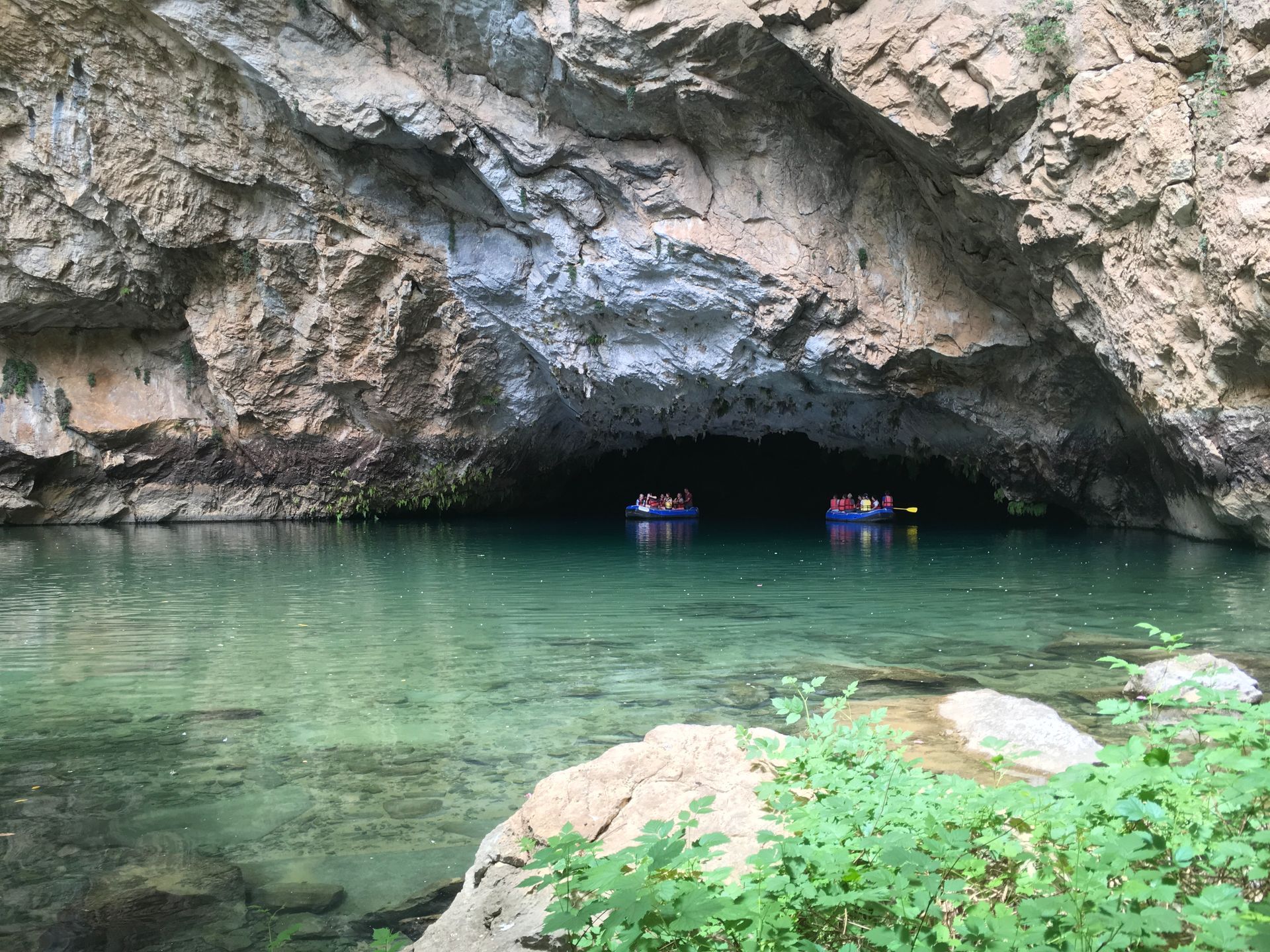
Just a short drive from Ormana lies Altınbeşik Cave National Park, home to Türkiye’s largest, Europe's 3rd largest underground lake cave. Extending over 2,200 meters, the cave begins with a long subterranean lake navigable by boat during summer and autumn.
Stalactites, stalagmites, natural bridges, and column-like formations make Altınbeşik one of the most striking karst formations in the region. Seasonal water levels mean the cave is accessible only part of the year, reinforcing the dynamic relationship between geology and climate in the Taurus Mountains.
Local Life, Cuisine, and Nomadic Roots
Life in Ormana reflects a long transition from nomadic Yörük traditions to settled village culture, shaped by the demanding geography of the Taurus Mountains. Although full nomadism has largely disappeared, seasonal rhythms, communal practices, and a strong connection to the land remain central to daily life. Limited arable land has historically placed greater emphasis on animal husbandry, particularly goat farming, which continues to define the local economy and food culture.
Local cuisine is therefore simple, seasonal, and practical, relying on goat milk, cheese, slow-cooked meats, wild herbs, and traditional bread baked in stone ovens. Many recipes follow techniques passed down through generations, rooted in survival and adaptability rather than refinement.
Despite migration and a declining permanent population, strong ties to the village persist, with returning families investing in restored homes and local initiatives. Hospitality in Ormana is quiet and sincere, expressed through shared meals, conversation, and an unhurried pace that reflects mountain life. Together, these elements form a living cultural landscape where tradition is not preserved as a memory, but practiced as part of everyday life.
Blog